The

Project on Human Development in Chicago Neighborhoods
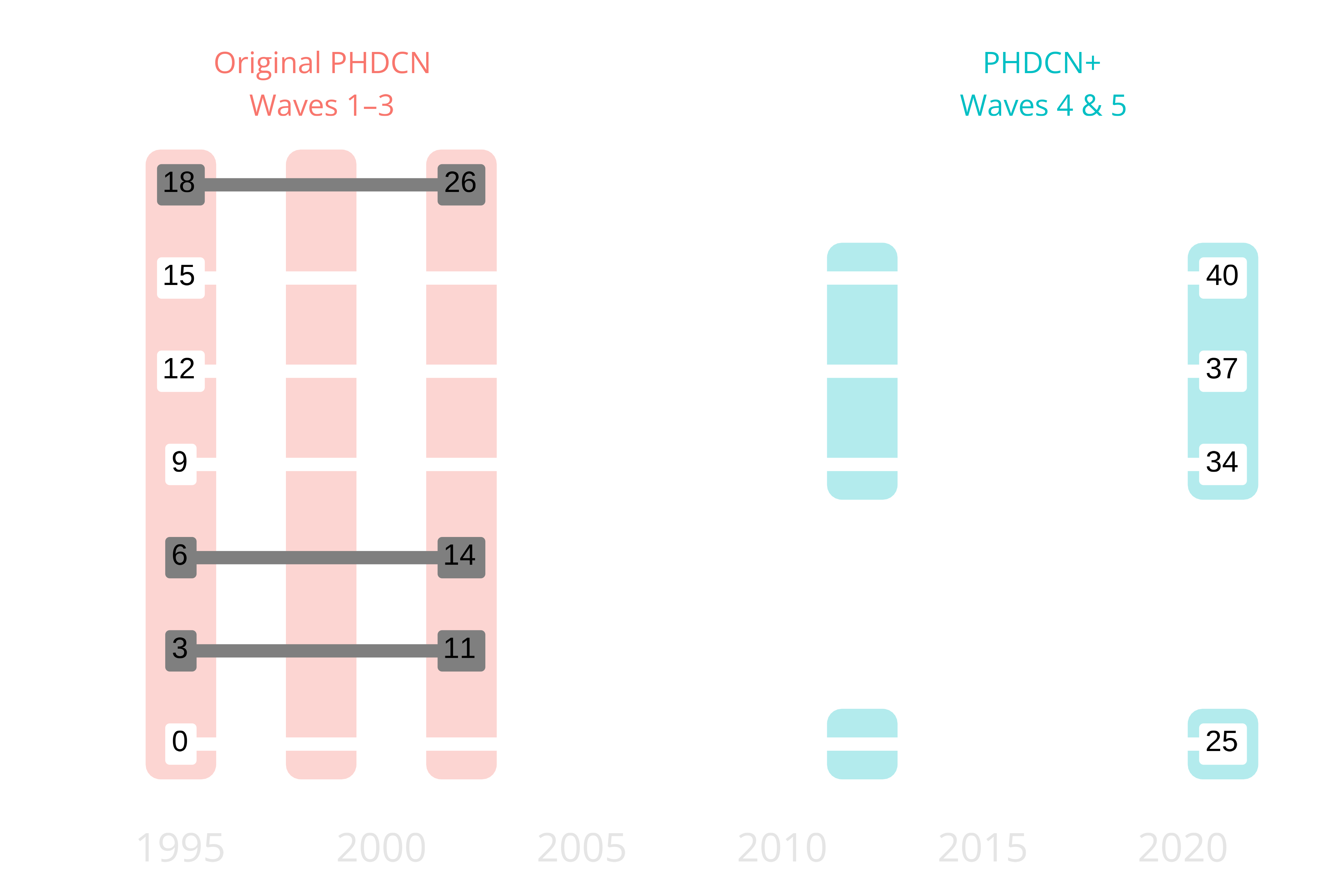
- 6200 children from 7 age cohorts, born 1978 to 1996
- 3 interviews from 1995–2003
- Representative of Chicago and its neighborhoods
PHDCN+
- 60% subsample of 4 cohorts
- 1057 interviewed in 2012
- 682 followed-up in 2021
- Followed throughout the US
Funded by:
Accelerated cohort design
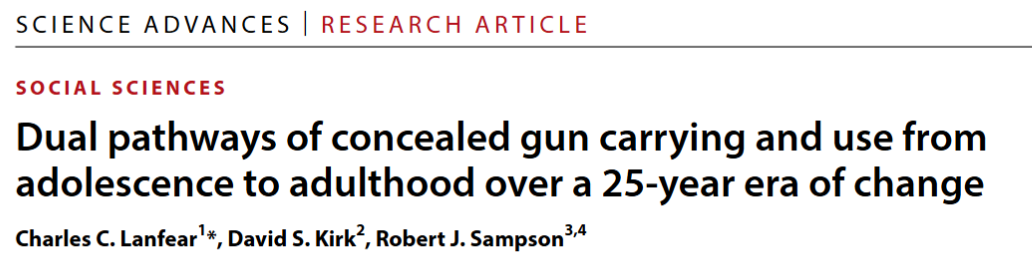
Adolescent-onset
- \(\frac{1}{3}\) of those ever carrying
- Most age out
- Associated with immediate dangerous contexts
- High risk of use
Adult-onset
- \(\frac{2}{3}\) of those ever carrying
- Most still carrying today
- Associated with insecurity and diffuse threats
- Low but cumulative use risk
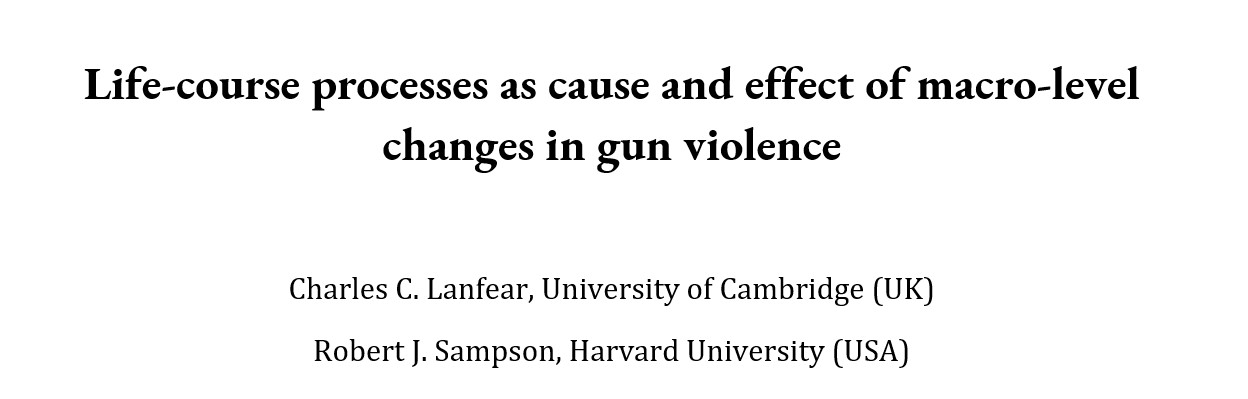
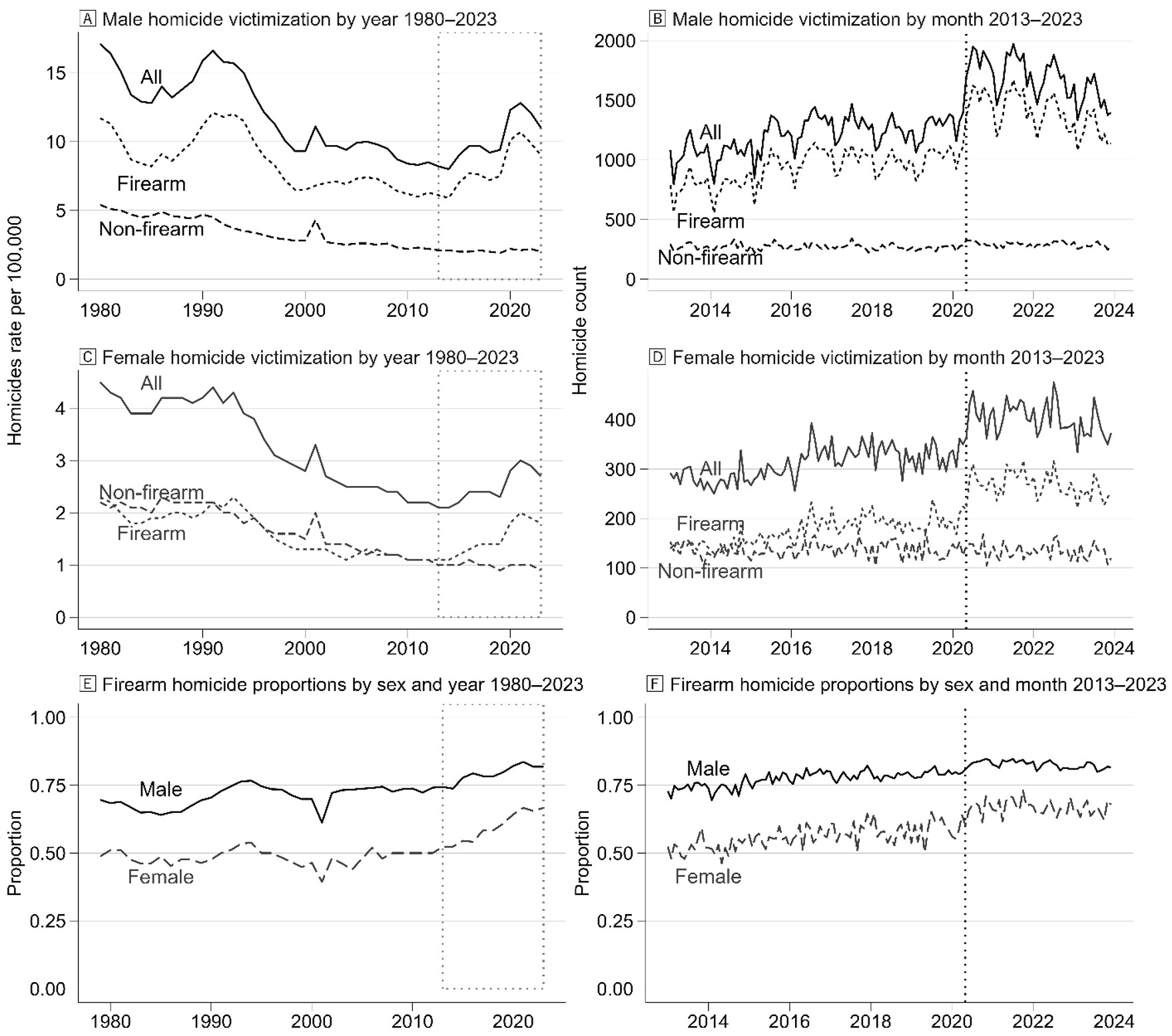
How do these dual pathways of carrying relate to macro-level changes in gun violence 1980–2024?
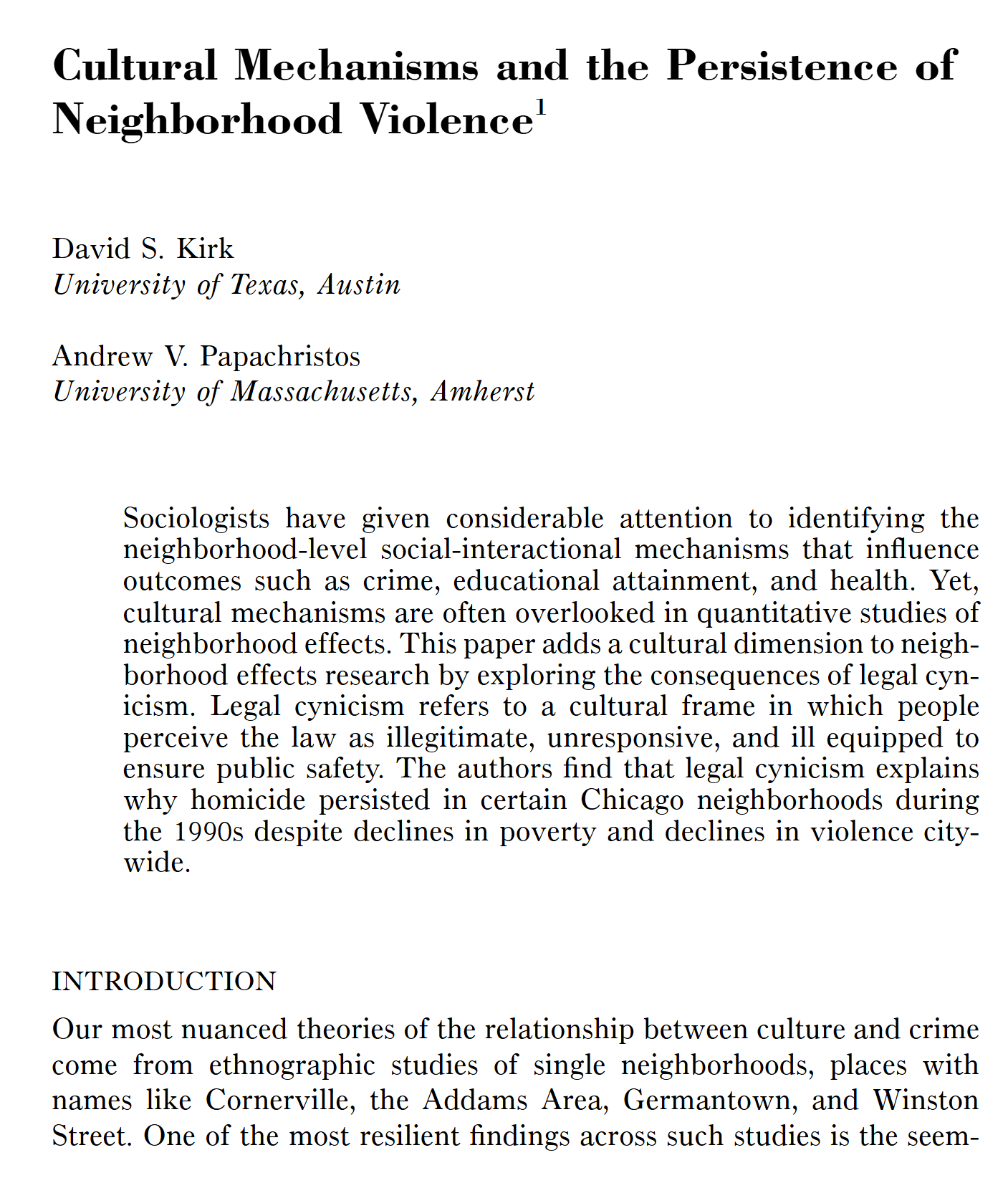
a cultural frame in which people perceive the law as illegitimate, unresponsive, and ill equipped to ensure public safety.
when calling the police is not a viable option to remedy one’s problems—individuals may instead resolve their grievances by their own means
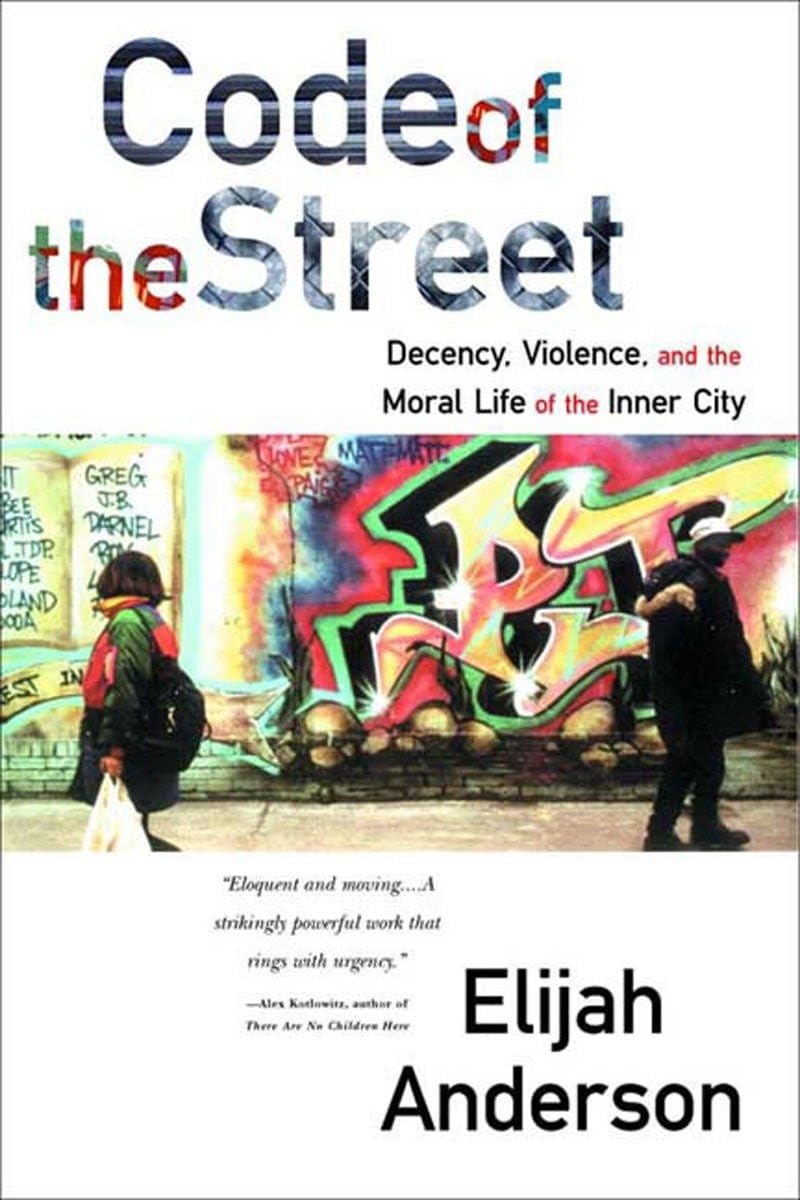
The inclination to violence springs from the circumstances of life… The code of the street is actually a cultural adaptation to a profound lack of faith in the police and the judicial system
Guns also:
- Confer status
- Deter threats
- Facilitate dominance
Concentrated disadvantage → alienation from institutions
… two racially differentiated beliefs promote legal gun carrying: The belief common among most carriers that police are inadequate protectors—and thus one may carry a gun as protection from crime—and the belief more common among non-white carriers that police are coercive violators of rights—and thus one may carry a gun as protection from and resistance to the oppressive state (Lanfear et al. 2024)

Linked to diffuse social and economic insecurities
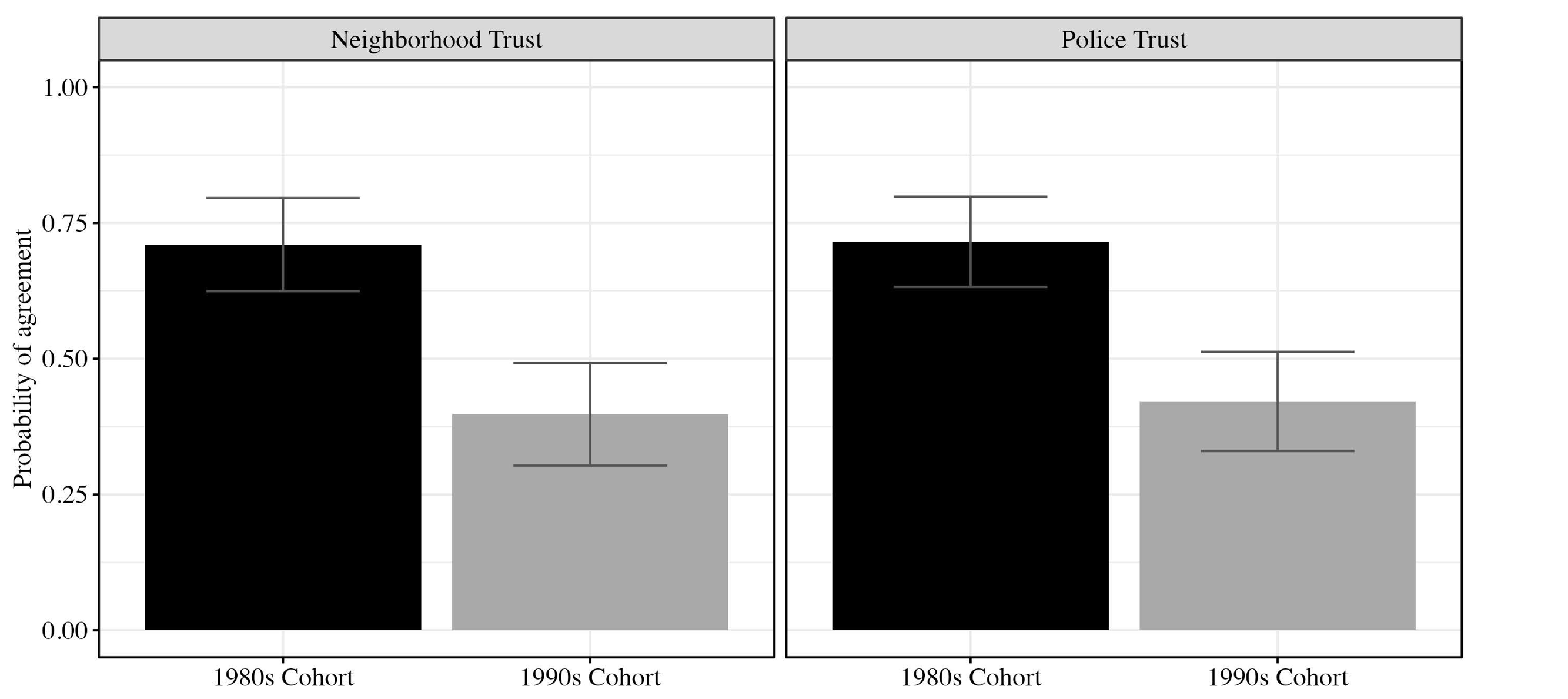
Despite having much higher arrest rates, the cohort born in 1987 has greater levels of trust in police and neighbors at age twenty-five than counterparts born just nine years later, adjusting for background factors and early-life conditions (Sampson 2026)
Age, period, and cohort effects
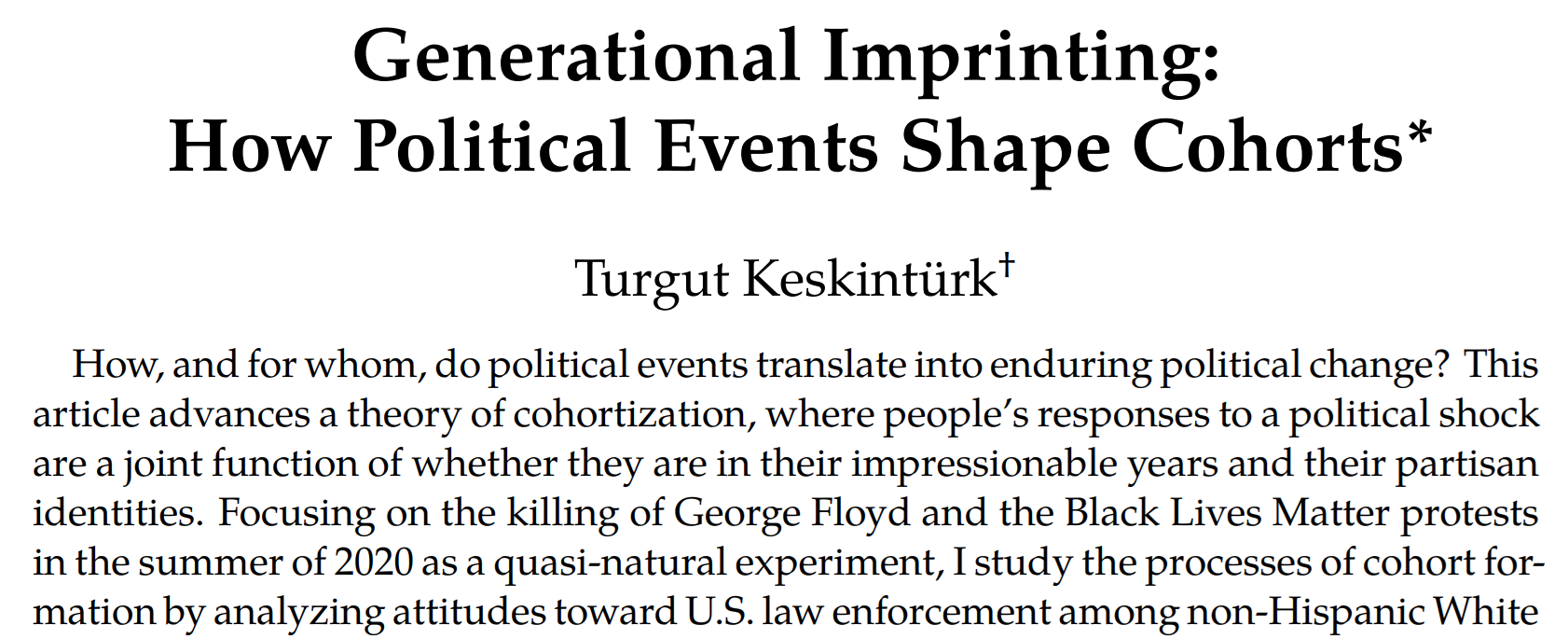
- How persistent are these orientations?
- What are the formative years?
- What are the long-term societal implications?
Feedback and questions
Contact:
Charles C. Lanfear
Institute of Criminology
University of Cambridge
cl948@cam.ac.uk
For more about the PHDCN+:
PHDCN@fas.harvard.edu
https://sites.harvard.edu/phdcn/
https://doi.org/10.1007/s40865-022-00203-0